Is It Normal for Art Listings to Hide the Artist Name?
When scrolling through online art marketplaces, one frustrating trend many collectors and enthusiasts encounter is the artist credit missing in product listings. This anonymous seller problem isn't just an inconvenience; it raises important questions about authenticity, provenance, and respect for creators, especially in spaces promoting Black artists and cultural expression.
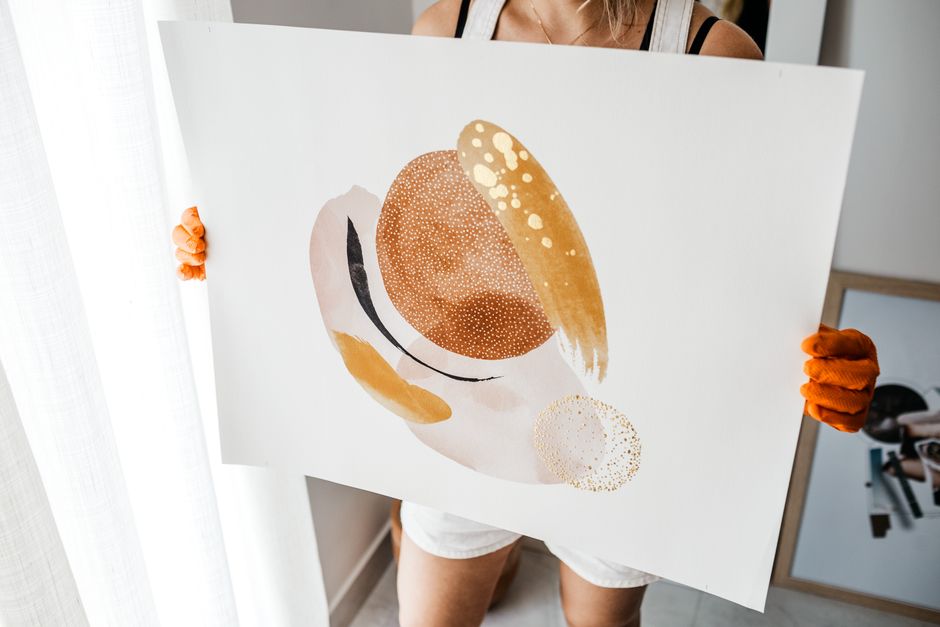
In this post, we’ll explore why some art listings hide the artist's name, how to verify art when attribution is unclear, and why supporting Black-owned shops like Noirci Studio, The Black Art Depot, and African American Expressions is vital for transparent, ethical art buying.
The Official vs Anonymous Art Print Divide
There is a marked difference between official art prints—those authorized and credited by the artist or their estate—and anonymous copies or reproductions sold by third parties without proper attribution. The distinction matters for buyers wanting authenticity and provenance, as well as for artists whose work is their livelihood.
Why Some Listings Hide Artist Names
- Resale and Licensing Complexities: Some sellers are intermediaries who may lack permission to use the artist’s name or have incomplete rights.
- Mass-Produced Prints: Online mass-market sellers sometimes commoditize art by downplaying the artist, focusing instead on generic decor appeal.
- Fear of Counterfeit Exposure: Avoiding direct artist mention can shield anonymous sellers from accountability if the work's origin is questionable.
Unfortunately, The original source when the artist’s name isn’t prominently featured, a buyer’s ability to verify the artwork’s legitimacy plummets.
Why Artist Attribution and Provenance Matter
Artist attribution isn't just about giving credit where it’s due—it's critical for:
- Protecting the Artist’s Rights: Proper credit ensures artists maintain control over their work’s use and recognition.
- Authenticating Artworks: Knowing who created a piece helps buyers confirm the work’s origin and avoid counterfeits or unauthorized reproductions.
- Preserving Cultural Heritage: This is especially true for Black artists whose work represents important narratives and identity markers.
- Ensuring Resale Value: Properly attributed works maintain or appreciate in value over time.
Sadly, many anonymous seller problems emerge from marketplaces or listings that blur or omit provenance information, leaving buyers uncertain and artists unsupported.
Supporting Transparent Black-Owned Shops and Artists
If you want to invest in art with confidence and contribute to Black artists, consider reputable Black-owned shops that specialize in authentic and well-documented works.
hereNoirci Studio: Integrity Through Innovation
Noirci Studio stands out in the online art space by taking artist attribution seriously. Their rigorous review process includes AI-detection tools designed to flag and prohibit generative AI artwork, ensuring every piece on their site has verifiable human authorship.
This commitment protects both artists and buyers, explicitly prohibiting generative AI artwork to preserve originality. Noirci Studio also prioritizes clearly visible artist names on listings, honoring transparency and provenance.
The Black Art Depot: Celebrating Diverse Black Voices
The Black Art Depot curates prints and originals by Black artists with full attribution, elevating underrepresented voices. By showcasing artist biographies and detailed product descriptions, they empower buyers to connect deeply with each work.
African American Expressions (black-gifts.com): Gifts With Meaning
African American Expressions offers curated Black art prints and gifts that consistently credit artists and their stories. Their transparent approach makes it easier for customers to verify and trust the provenance of their purchases.
AI-Generated Art Concerns and Detection
A significant emerging challenge in art attribution online is the proliferation of AI-generated artwork. While generative AI can produce impressive images, many Black artists and curators cautious about the impact on creativity and authenticity have voiced concerns.

Without transparency, buyers can unknowingly purchase AI-generated art marketed as traditional works. Platforms like Noirci Studio have responded by deploying AI-detection tools during their review process to prohibit generative AI artwork altogether, safeguarding artists’ rights and ensuring ethical sales.
How to Verify Art When Artist Credit Is Missing
If you come across art listings with artist credit missing, here are some steps to help verify authenticity:
- Research the Seller: Check if they are a recognized gallery, shop, or platform with clear policies around artist attribution.
- Request Provenance Documentation: Ask for certificates of authenticity, artist statements, or licensing details.
- Cross-Reference Artist Name: If the artist is mentioned later or indirectly, research their official website or social media to confirm the work.
- Use Reverse Image Search: Tools like Google Reverse Image Search can help find earlier appearances of the artwork online to verify origin.
- Look for Watermarks or Signatures: Physically checking the print or requesting detailed photos can reveal artist signatures or marks.
Final Thoughts: Demand Transparency and Support Black Artists
Art listings that hide the artist’s name do a disservice to buyers and creators alike. Whether you’re building a gallery wall or purchasing a meaningful gift, insist on clear artist credit and provenance information. Doing so ensures you support authentic work—and uphold the cultural legacy of Black artists.
By choosing trusted shops like Noirci Studio, The Black Art Depot, and African American Expressions, you can shop ethically with confidence knowing each piece’s origin is respected and verified.
Next time you browse art online, remember: the artist name isn’t just a label—it’s the signature of creativity, authenticity, and respect.